 Portal Login
A resource for study abroad participants traveling with The GREEN Program (TGP). Please read this before program departure.
Why This Guide Exists
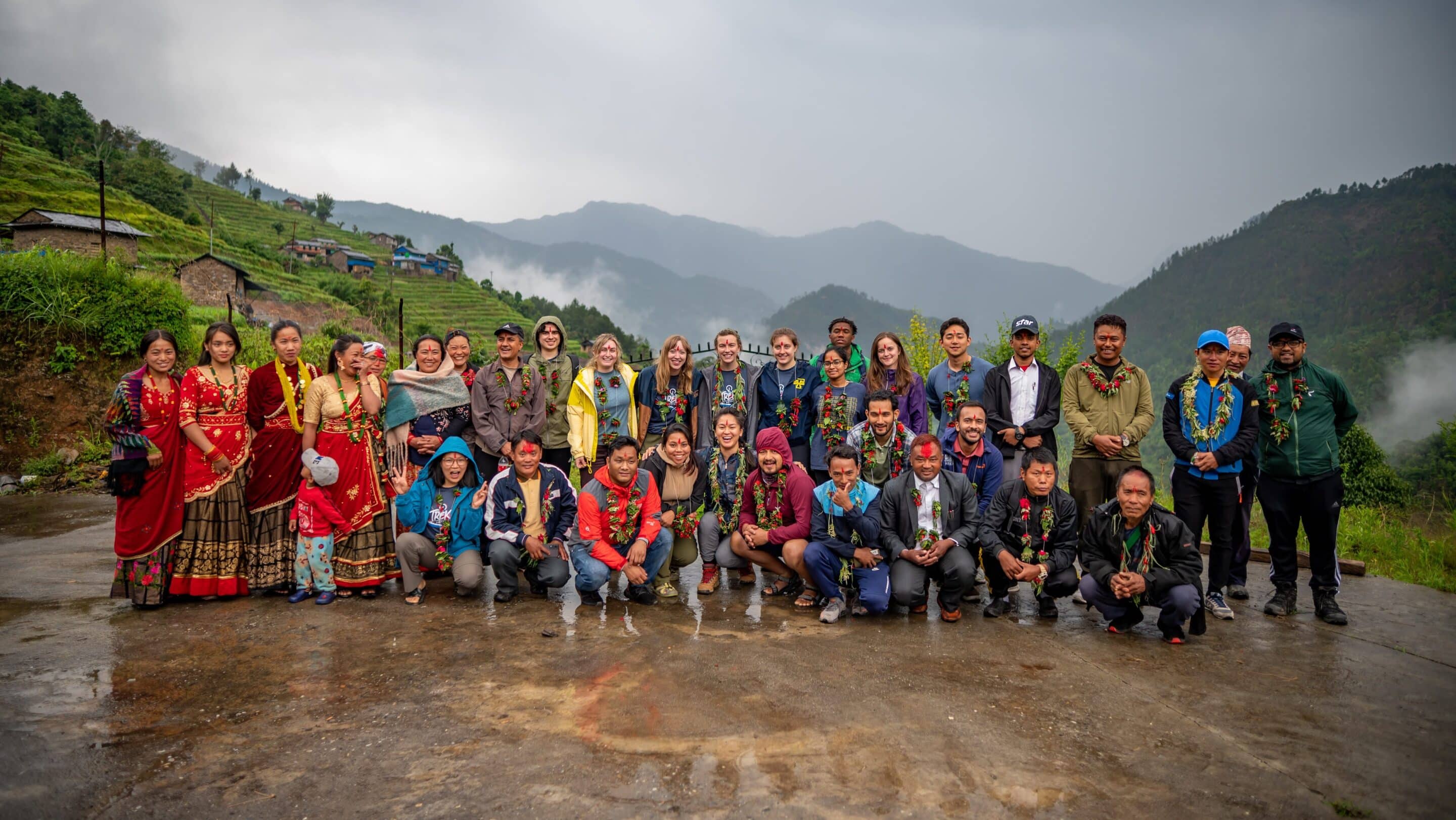
You are about to travel with The GREEN Program into communities that may look, live, and operate very differently from what you know. This guide is designed to help you arrive with awareness, humility, and respect for host communities and for your fellow travelers.
At TGP, we don’t aim to be tourists.
We are travelers—guests who are welcomed into communities, cultures, and lived realities that deserve care and respect. Travelers honor the places they visit, respect the communities that host them, and recognize that learning often begins with listening.
Reflection Questions
- Why do I want to participate in this program beyond travel itself?
- What assumptions might I be carrying into this experience?
- What does it mean to me to be a “guest” rather than a visitor?
Introduction Video (8 minutes)
1. Tourist vs. Traveler (A Quick Reset)
Tourists consume experiences.
Travelers build understanding.
A traveler:
- Listens more than they speak
- Accepts discomfort as part of learning
- Adapts behavior to local context
- Recognizes power, history, and privilege
Cultural awareness is what makes the difference.
Reflection Questions
- When have I prioritized comfort over learning in the past?
- What behaviors help me move from observing to understanding?
- How can I show respect when things feel unfamiliar?
2. Cross-Cultural Competency: The Basics
Cross-cultural competency is a set of skills that help you navigate differences with humility, respect, and care. These skills develop over time and through practice. Some may feel natural to you; others may feel uncomfortable. All are learnable. Click on the arrows to expand each bullet point for more information.
101 Skills: Foundational Practices
Active Listening
Active listening means listening to understand—not to respond, fix, or compare. It involves paying attention to words, tone, body language, and what may be left unsaid. In cross-cultural settings, this also means allowing for pauses, slower pacing, and different communication styles.
Practice: Listen without interrupting. Ask clarifying questions instead of making assumptions.
Curiosity
Curiosity is the willingness to ask questions with genuine interest rather than judgment. It means approaching differences with an open mind and recognizing that unfamiliar does not mean wrong. Curiosity allows learning to replace fear or defensiveness.
Practice: Ask “Can you tell me more about that?” instead of drawing conclusions.
Adaptability
Adaptability is the ability to adjust your behavior, expectations, and routines in response to new cultural contexts. This might include changes in communication style, time expectations, dress, or daily rhythms.
Practice: Notice when you feel frustrated and ask what expectation may need adjusting.
Self-Awareness
Self-awareness is understanding your own values, habits, biases, and emotional reactions. It helps you recognize when your response is shaped more by your background than by the present situation.
Practice: Reflect on why something feels uncomfortable or surprising before reacting.
102 Skills: Deeper Practice
Understanding Power and History
Every place you visit is shaped by history—often including colonization, inequality, and resistance. Understanding power means recognizing how historical and global systems influence present-day realities, relationships, and access.
Practice: Ask how history, economics, or policy shape what you are seeing today.
Recognizing Your Positionality
Positionality refers to how your identity (such as nationality, race, class, gender, or education) shapes how others experience you, and how you experience the world. You may be granted trust, access, or authority simply by being a visitor.
Practice: Consider how you are perceived in a space and how that affects interactions.
Sitting With Discomfort
Discomfort is often a sign of learning. Sitting with discomfort means resisting the urge to withdraw, judge, or fix immediately. It allows space for reflection and growth.
Practice: Pause when discomfort arises and ask what it might be teaching you.
Holding Multiple Truths at Once
Cross-cultural learning often involves complexity. Two things can be true at the same time—for example, a system can be unjust, and people within it can still experience pride, joy, and agency.
Practice: Resist simplifying stories into “good” or “bad.” Allow nuance.
Reflection Questions
- Which of these skills comes naturally to me?
- Which ones feel uncomfortable or challenging?
- How can I practice these skills daily while traveling?
3. Privilege & Perspective in Travel
The ability to travel is a form of privilege. You may have access to:
- A powerful passport
- Education and global mobility
- Financial safety nets
- The option to leave
Many people you will meet do not.
Remember: You are witnessing realities that are temporary for you, but daily for others.
Practice: (Click on each arrow point below to expand for more information and best practices)
Gratitude without pity
Gratitude without pity means appreciating the welcome, generosity, and knowledge you receive without framing people or places as lacking, unfortunate, or in need of saving. Pity creates distance and reinforces power imbalances; gratitude recognizes dignity, agency, and strength.
In many Global South or low-income contexts, you may encounter material conditions that differ from what you’re used to. These differences do not define the worth, happiness, or capability of the people who live there.
In practice: Say thank you for hospitality and shared experiences without commenting on what people “don’t have.” Notice resilience, creativity, and community—not just hardship.
Curiosity without judgment
Curiosity without judgment invites learning while resisting the urge to label differences as strange, wrong, or backward. It requires awareness that your norms are shaped by culture—not universal standards.
Judgment often shows up subtly through tone, body language, or comparison to “how things are done at home.” Curiosity asks questions to understand context rather than to evaluate it.
In practice: Ask open-ended questions and listen fully. Replace reactions like “Why would they do it that way?” with “What’s the history or reasoning behind this?”
Reflection without comparison
Reflection without comparison means processing what you see without ranking cultures, lifestyles, or values against your own. Comparison often centers the traveler and frames experiences through a lens of superiority or deficiency.
Meaningful reflection focuses on systems, history, and personal learning—not on measuring whose way of life is better or worse.
In practice: Reflect on what you are learning about yourself and the world, rather than how a place compares to home.
Avoid statements like:
- “I could never live like this”
- “They have nothing”
- “This is so sad” (said publicly)
Reflection Questions
- What privileges am I carrying into this space?
- How might people perceive me based on where I’m from?
- How can I express gratitude without centering myself?
4. Race, Identity & Cultural Nuance
Race and identity are not experienced the same way everywhere.
- In the U.S., race is often central to identity
- Elsewhere, nationality, ethnicity, caste, tribe, class, or language may matter more
- This does not mean discrimination doesn’t exist—it means it shows up differently
Your role: Click the arrow points below to expand for more information, real-world examples, and best practices.
Observe before reacting
When you encounter something unfamiliar (whether it’s a social norm, a comment, or a behavior), your first responsibility is to observe. Immediate reactions are often shaped by your own cultural conditioning, not by a full understanding of the context.
Observation means pausing, noticing patterns, and asking yourself what you may not yet understand. This is especially important in cross-cultural settings where communication styles, humor, authority, gender roles, or expressions of respect may differ significantly.
Example: You may notice that community members speak very directly to one another, interrupt often, or defer strongly to elders. Rather than labeling this as “rude” or “hierarchical,” observe how these dynamics function locally before forming conclusions.
In practice: Pause before commenting or reacting. Ask questions later, in appropriate settings, rather than responding in the moment.
Avoid projecting U.S. (or your home country’s) frameworks without context
Your home country’s social, political, or cultural frameworks around race, gender, class, time, productivity, or individualism are not universal. Applying them without context can oversimplify or misinterpret what you are witnessing.
This does not mean ignoring injustice or inequality; it means recognizing that issues may be experienced, named, and addressed differently across cultures.
Example: In some countries, race may not be discussed openly, while ethnicity, nationality, caste, or tribe may be more salient. Assuming silence means denial can miss important historical or cultural nuance.
In practice: Learn how identity, power, and history operate locally before drawing parallels to U.S. experiences.
Hold space for complexity
Cross-cultural experiences rarely fit into simple narratives of “good” or “bad,” “oppressed” or “privileged,” “traditional” or “modern.” Holding space for complexity means allowing multiple, sometimes contradictory truths to exist at once.
A community can face structural challenges while also demonstrating resilience, pride, joy, and agency. Individuals can participate in systems they critique. Traditions can be meaningful and contested at the same time.
Example: You may learn about environmental or economic challenges in a community while also witnessing deep cultural pride, innovation, and strong social bonds. Both realities are true.
In practice: Resist the urge to simplify stories for understanding or sharing. Allow nuance to inform how you learn, reflect, and communicate about your experience.
Reflection Questions
- How does my identity shape how I move through the world?
- When have I assumed my framework was universal?
- How can I stay open when something challenges my understanding?
5. Sensitive Topics: What to Know
Poverty, Infrastructure & Daily Life
You may encounter:
- Different housing standards
- Limited infrastructure
- Visible economic challenges
Do:
- Ask questions about systems and history
- Reflect privately or in group discussions
Don’t:
- Treat hardship as an “experience”
- Take photos that frame people as objects of poverty
Reflection Questions
- What emotions come up for me when I see inequality?
- How can I honor dignity while acknowledging challenges?
- How are these issues connected to global systems, not individuals?
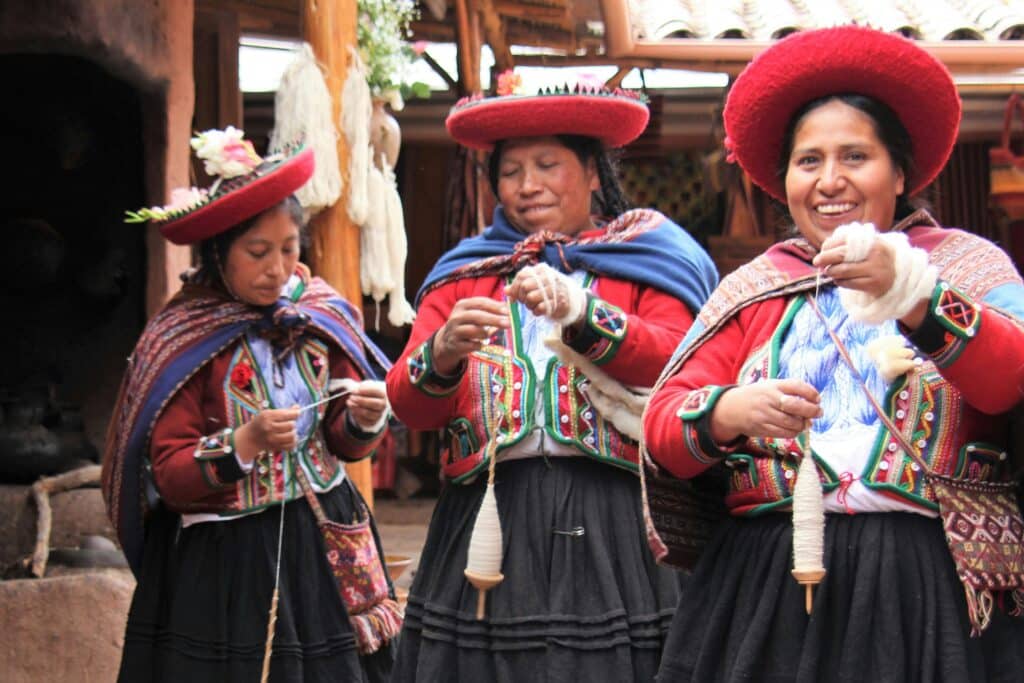
Visiting Indigenous Communities
When visiting Indigenous lands or communities:
- You are entering spaces shaped by colonization and resilience
- Some knowledge is sacred, not public
Do:
- Follow local guidance
- Listen more than you speak
- Treat access as a privilege
Don’t:
- Ask extractive or invasive questions
- Treat culture as a performance
- Assume communities are “stuck in the past”
Reflection Questions
- What histories shape this community’s relationship with visitors?
- How can I show respect without needing access or answers?
- What does it mean to be invited into Indigenous space?
Appearance, Hair, & Personal Questions
In some cultures, curiosity about appearance (including hair, skin tone, or clothing) may be more direct.
For Black travelers and other travelers of color, this can feel especially personal.
You are allowed to: (Click each arrow point to expand for examples)
Set boundaries
Example: If a peer or local asks personal questions that make you uncomfortable, you might say, “I’m not comfortable discussing that right now.”
Say no
Example: If invited to participate in an activity that conflicts with your values or safety, you can respond, “No, thank you, I’ll sit this one out.”
Ask for support
Example: If you feel uncomfortable with a comment about your appearance or identity, you can approach a facilitator or trusted peer: “I felt uncomfortable in that moment—can we talk?”
As a peer:
- Believe people when they express discomfort
- Don’t minimize or joke it away
- Don’t expect impacted people to educate the group
Reflection Questions
- How do I react when someone sets a boundary with me?
- How can I support peers when curiosity crosses into harm?
- What responsibility do I have, even if I’m not directly impacted?
Photos & Social Media
Before taking photos, ask:
- Did I get permission?
- Who is this for?
- Would I post this about my own community?
Never:
- Photograph children without consent
- Post content that reinforces stereotypes
- Use people’s lives as backdrops
Reflection Questions
- Why do I want to share this image?
- What story does this post tell, and who does it center?
- How might this content be perceived by the people in it?
6. Traveling in a Diverse Cohort
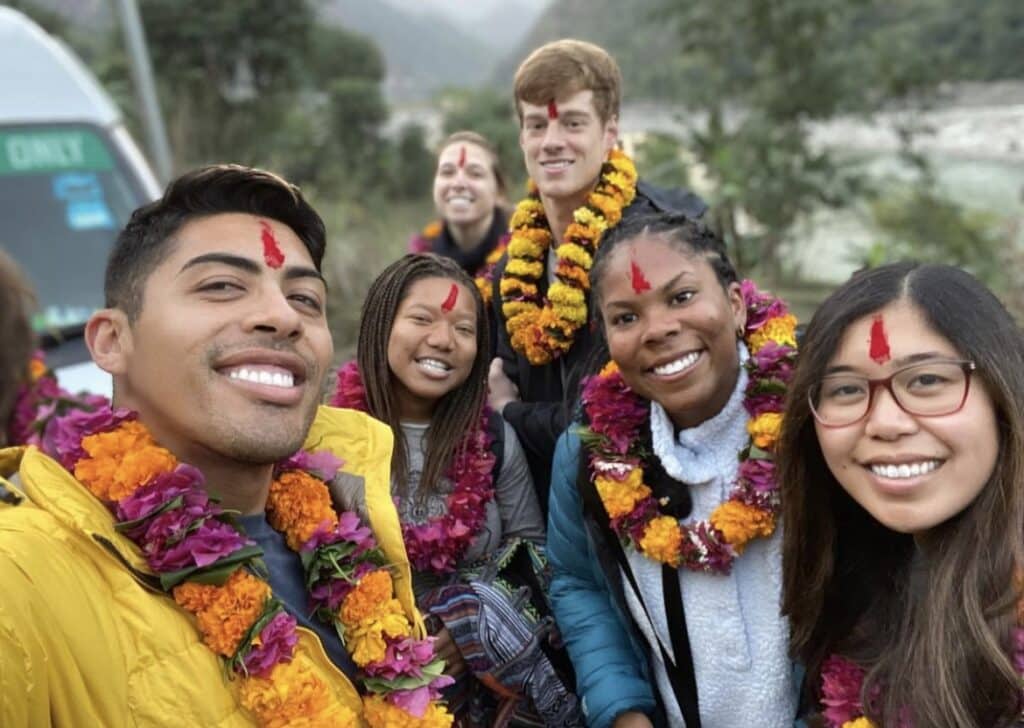
Your learning community includes people with different:
- Races and ethnicities
- Nationalities and religions
- Gender identities and orientations
- Socioeconomic backgrounds, and more
Practice cultural awareness with each other. Cross-cultural awareness does not stop with host communities, and it is just as important within your traveling cohort. You are learning alongside people with different identities, lived experiences, and relationships to power. How you show up for one another shapes the safety, trust, and depth of the entire program.
This means recognizing that moments of learning, tension, or misunderstanding may arise within the group. These moments are not failures; instead, they are opportunities to practice accountability, empathy, and growth. Click on the arrows below to expand each point for more information, context, and scenario training.
Do:
Call in, not call out
Calling in means addressing harm or concern in a way that invites reflection and learning rather than shame or public judgment. It focuses on maintaining dignity while still being honest and accountable. Calling in may happen privately, calmly, or with the support of a facilitator.
Calling out often escalates defensiveness and can shut down dialogue. Calling in keeps the focus on growth and relationship.
In practice: Speak from your own perspective, name the impact, and leave room for learning.
Scenario: Calling Out vs. Calling In
Context: During a group discussion, a student says, “I don’t see race here—we’re all just people,” intending to promote unity. A peer of color feels that their lived experience has been dismissed.
Calling Out (What This Might Look Like):
In front of the group, someone responds sharply:
“That’s a really ignorant thing to say. You’re erasing people’s identities and privilege.”
Impact:
While the concern is valid, the public confrontation may cause the speaker to become defensive or embarrassed, making it harder for learning to happen. The conversation may shut down or become about tone rather than substance.
Calling In (What This Can Look Like):
Later, privately or with a facilitator present, the peer says:
“I wanted to check in about something you said earlier. When you said you don’t see race, it landed as dismissive of my experiences. I know you probably meant well, but race really shapes how I move through the world.”
Impact:
The concern is still clearly named, but in a way that invites reflection rather than shame. The speaker has space to listen, understand the impact, and grow.
Key Difference:
Calling in addresses harm and preserves the relationship. It prioritizes learning over winning the moment.
Listen when harm is named
If someone shares that a comment, joke, or behavior caused harm, the most important response is to listen—without interruption, explanation, or dismissal. Harm is defined by impact, not by intention.
Listening does not mean you agree with everything said; it means you respect the courage it takes to speak up and are willing to reflect.
In practice: Avoid phrases like “I didn’t mean it that way” or “That wasn’t my intention” in the moment. Focus first on understanding.
Scenario: When Harm Is Named
Context: During a long travel day, a student jokes, “At least we get to leave—imagine being stuck here,” referring to the host community. Later, another student approaches them.
What Not to Do (Defensive Response):
“I was obviously joking. You’re taking it way too seriously. I didn’t mean anything by it.”
Impact:
The defensiveness dismisses the concern and shifts the focus to intent rather than impact. The person naming harm may feel unheard or discouraged from speaking up again.
What It Looks Like to Listen:
“Thank you for telling me. I didn’t realize how that came across. Can you share more about what felt harmful?”
(The speaker listens without interrupting, correcting, or explaining.)
Follow-Up (After Listening):
“I understand why that was hurtful. I’m sorry for the impact of what I said. I’ll be more mindful moving forward.”
Key Takeaway:
Listening first creates space for trust, repair, and learning. Reflection and accountability come after understanding—not before.
Reflect on impact, not just intent
Good intentions do not erase harmful impact. Cross-cultural learning requires acknowledging that even well-meaning actions can cause discomfort or harm, especially across differences in identity and power.
Taking responsibility for impact is a sign of maturity and leadership—not failure.
In practice: Ask yourself, “What was the effect of my words or actions?” rather than “What did I mean?”
Reflection Questions
- How do I respond when I’m told something I said caused harm?
- When should I speak up, and when should I listen?
- How can I help create psychological safety in my group?
7. What To Do If Harm Happens
Harm can occur even in groups that are well-intentioned, values-aligned, and committed to learning. Cross-cultural environments bring together different identities, communication styles, power dynamics, and lived experiences—missteps are possible. What defines a strong learning community is not the absence of harm, but the ability to respond with care, accountability, and integrity.
This framework is meant to provide clarity and support so students are not left guessing about what to do in difficult moments.
If you experience harm:
Experiencing harm can feel isolating, confusing, or emotionally overwhelming—especially while traveling. Your well-being comes first.
Know that:
- You are allowed to name harm, even if it was unintentional
- You are not required to educate others or justify your feelings
- You have the right to support and care
Steps you can take:
- Prioritize your safety and emotional well-being
- Set a boundary if you feel able (for example: “That comment wasn’t okay for me”)
- Reach out to a TGP facilitator, staff member, or trusted peer
- Take space if needed—stepping away is allowed
Naming harm is an act of courage, not conflict.
If you cause harm:
Causing harm does not make you a bad person—it makes you human. What matters most is how you respond.
When harm is named:
- Pause and listen fully without interrupting
- Resist the urge to explain, justify, or defend your intent
- Acknowledge the impact, even if it wasn’t what you intended
A meaningful apology includes:
- Naming the harm (“I understand how that comment was hurtful”)
- Taking responsibility (“I’m sorry for the impact of what I said”)
- Committing to change (“I’ll be more mindful going forward”)
Learning often requires humility. Accountability is part of growth.
If you witness harm:
You do not have to be the person directly impacted to take responsibility for community care.
As a witness, you can:
- Check in with the person impacted (“Are you okay?”)
- Interrupt harm when it feels safe to do so (“Hey, I want to pause us there–that comment could come across disrespectful.”)
- Help de-escalate the situation (“I think this is important, but maybe we can slow down and make sure everyone feels heard,” or suggest taking a short break)
- Bring concerns to a TGP facilitator or staff member (“Something came up that didn’t sit right with me, and I’m not sure how to address it. Can we talk?”)
Silence can unintentionally reinforce harm. Support does not require having the perfect words—presence matters.
Repair, Reflection, and Moving Forward
Repair is a process, not a single conversation. It may take time, multiple check-ins, or facilitator support.
For everyone involved:
- Reflect on what happened and why
- Stay open to feedback and learning
- Avoid gossip or rehashing harm without purpose
- Commit to changed behavior, not just changed language
Growth happens when individuals and communities choose learning over defensiveness.
8. Additional Real-World Scenarios & Learning Moments
The following scenarios are common during study abroad programs in the Global South, low-income contexts, and Indigenous communities. They are included to help you recognize moments where intention, impact, power, and cultural context intersect. These scenarios apply to interactions with host communities and within your peer group.
1. Good Intentions That Still Cause Harm
Scenario: A student says, “I just want to help,” “At least we’re bringing money into the community,” or “We’re making a difference just by being here.”
Why this matters: These statements center the traveler’s feelings rather than community agency and expertise. Even with good intentions, this framing can reinforce savior narratives and ignore long-term local leadership.
Best Practices:
Recognize that communities are not waiting to be fixed
Ask what local initiatives already exist
Focus on learning and partnership, not rescuing
Avoid:
Framing your presence as inherently beneficial
Measuring impact by how helpful you feel
Reflection: How can I stay curious without needing to feel useful?
2. Comparing Countries or Communities
Scenario: Comments like “This place is poorer than where we were before,” or “At least it’s better here than in ___.”
Why this matters: Comparisons flatten unique histories and turn lived realities into rankings of hardship. Each community exists within its own cultural, political, and economic context.
Best Practices:
- Ask questions about local history and systems
- Notice differences without ranking or judging
Avoid:
- Treating communities as interchangeable
- Using comparison to manage discomfort
Reflection: What am I trying to make sense of when I compare?
3. Religion, Spirituality & Sacred Practices
Scenario: Students joke about religious practices, participate in ceremonies without context, or ask invasive questions about beliefs.
Why this matters: Spirituality may be deeply tied to identity, land, and community governance. Some practices are sacred and not meant for explanation or participation.
Best Practices:
- Ask what is appropriate to observe or join
- Follow local guidance on dress, behavior, and photography
Avoid:
- Treating sacred practices as cultural entertainment
- Assuming openness equals consent
Reflection: How can I show respect without needing access or answers?
4. Gender Norms & Cultural Expectations
Scenario: Participants critique local gender roles or assume a lack of agency based on unfamiliar norms.
Why this matters: Gender roles are shaped by history, safety, economics, and culture. Applying a single cultural lens can silence local voices.
Best Practices:
- Listen to how people describe their own experiences
- Separate concern from assumption
Avoid:
- Public judgment or moral superiority
- Speaking for others without context
Reflection: Am I listening to local voices or projecting my own framework?
5. Language, Accents & English Privilege
Scenario: Interrupting non-native English speakers, laughing at accents, or equating fluency with intelligence.
Why this matters: English language dominance is tied to colonial history and global power. Multilingualism reflects skill and adaptability.
Best Practices:
- Slow down and listen actively
- Appreciate communication across languages
Avoid:
- Correcting publicly or finishing sentences
- Treating language barriers as incompetence
Reflection: How does language shape power in this interaction?
6. Gifts, Money & Unplanned Giving
Scenario: Giving money or gifts directly to children or community members without guidance.
Why this matters: Uncoordinated giving can disrupt local systems, create dependency, and cause inequity.
Best Practices:
- Follow TGP and community guidelines
- Support community-led initiatives
Avoid:
- Spontaneous giving to ease discomfort
- Paying for photos or interactions
Reflection: Who benefits from this action in the long term?
7. Time, Productivity & Efficiency Bias
Scenario: Frustration with flexible schedules, long meetings, or relationship-first approaches.
Why this matters: Western productivity norms are not universal. In many cultures, trust and relationships come before timelines.
Best Practices:
- Adjust expectations
- Practice patience as cultural respect
Avoid:
- Labeling systems as inefficient or disorganized
Reflection: What does this moment reveal about my own values around time?
8. Humor, Sarcasm & Inside Jokes
Scenario: Sarcasm or jokes don’t translate, exclude others, or land as disrespectful.
Why this matters: Humor is culturally specific and often tied to language and power dynamics.
Best Practices:
- Be especially mindful early in interactions
- Laugh with, not at
Avoid:
- Dark humor about poverty, politics, or religion
Reflection: Who is included or excluded by this humor?
9. Emotional Processing in Front of Communities
Scenario: Students cry publicly, express guilt to hosts, or overshare emotional reactions.
Why this matters: This can place emotional labor on host communities and shift focus away from dignity and agency.
Best Practices:
- Process emotions with peers or facilitators
- Journal privately
Avoid:
- Asking communities to comfort you
- Performing empathy
Reflection: Where is the most appropriate place to process this feeling?
10. Post-Program Storytelling & Impact Narratives
Scenario: After returning home, students frame communities as helpless or position themselves as heroes.
Why this matters: Stories shape perception long after travel ends. Single stories can reinforce harmful stereotypes.
Best Practices:
- Share stories that highlight complexity and agency
- Name what you are still learning
Avoid:
- Trauma-centered or oversimplified narratives
Reflection: What responsibility do I carry in how I tell this story?
9. Closing Reflection
As travelers, you do not arrive alone. You carry with you the values, behaviors, and assumptions of your home communities—your family, your university, your workplace, and your country. Whether you intend to or not, you may be someone’s first or most direct interaction with a foreign visitor. That matters.
Being welcomed into another community is a gift, not a guarantee. It reflects trust, openness, and generosity that are often extended by people whose lives and histories are very different from your own.
You will make mistakes, and that’s okay. Cross-cultural learning is not about perfection; it’s about presence. It’s about noticing when something feels uncomfortable, being willing to pause instead of react, and choosing reflection over defensiveness. Accountability is not punishment; it’s a commitment to learn, repair, and grow.
At The GREEN Program, how you travel matters as much as where you go. We believe that meaningful global engagement is built on humility, curiosity, and respect—for people, for place, for our planet, and for lived experience. The goal is not to leave having “experienced” a culture, but to leave having honored it.
Be curious without needing to consume.
Be kind without centering yourself.
Be accountable when impact doesn’t match intent.
Above all, be a traveler—one who listens, learns, and carries these lessons forward long after the journey ends.
10. A Living Guide
This guide is not meant to be exhaustive. Culture is dynamic, and learning is ongoing. We recognize that no single resource can capture every lived experience, identity, or context you may encounter while traveling.
We are committed to continuously expanding and improving this guide as we learn alongside our students, alumni, partners, and host communities. If you notice gaps, have suggestions, or feel something important is missing, we welcome your perspective.
Please reach out to our team at info@thegreenprogram.com.
Your insights help us grow and help ensure that TGP continues to travel with intention, respect, and care.